Ever found yourself scrolling through Instagram and wondering, “How do some people make a simple brunch look like a million-dollar production?” Well, here’s a hint: the secret sauce often sits right on their wrist or jingles subtly on their fingers. If you think the ultra-rich just buy things because they can, think again. There’s strategy behind the sparkle—and it’s sometimes more practical than you’d guess.
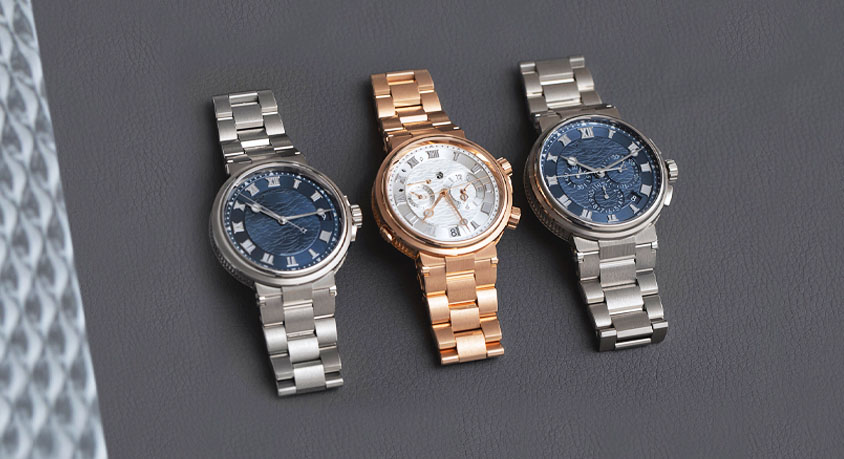
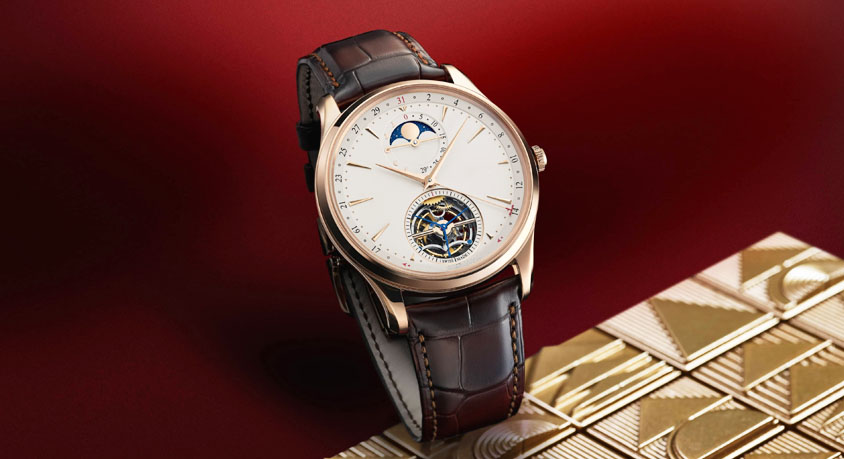
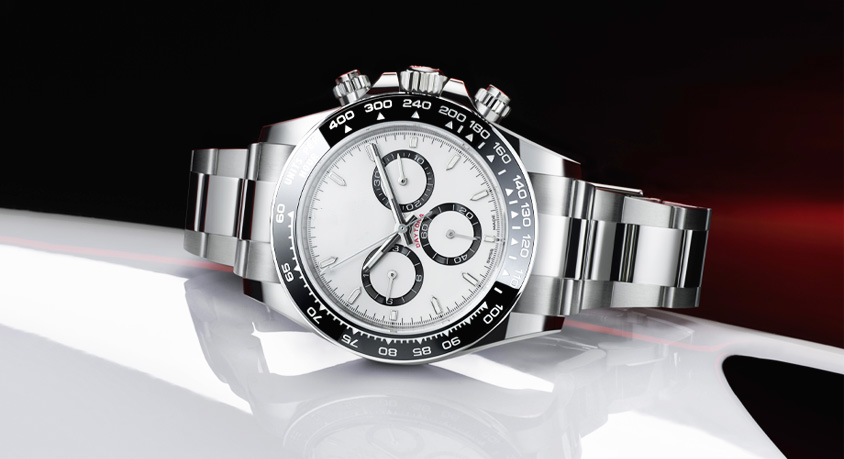
Take watches, for example. Forget about the flashy bling of oversized dials (well, sometimes not entirely). For the crème de la crème, pieces like the Patek Philippe Nautilus or the Rolex Daytona aren’t just about telling time—they’re about messaging. Wearing a Nautilus at a casual weekend yacht trip? Subtle flex. The design itself, from the porthole-inspired case to the integrated bracelet, says, “I know what’s classic, but I also know a bit about risk-taking.” And the funny thing? You’d think with all the wealth in the world, rich folks would always go for gold. But stainless steel models often steal the show because they’re harder to snag, giving that extra whisper of exclusivity.
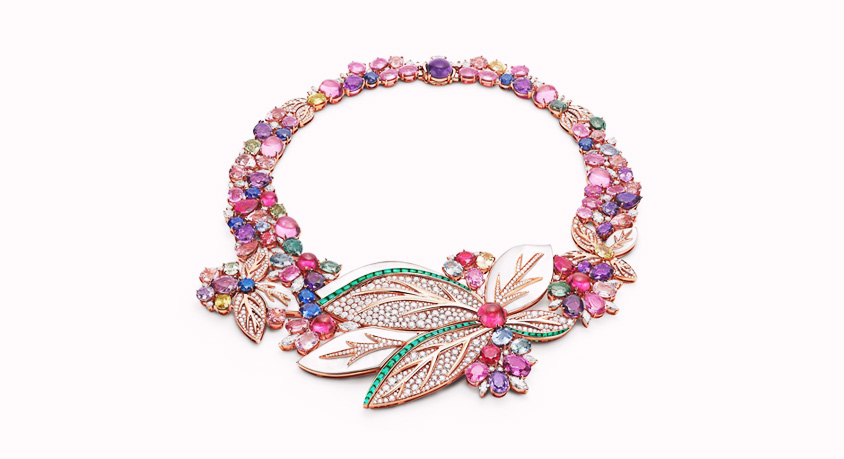
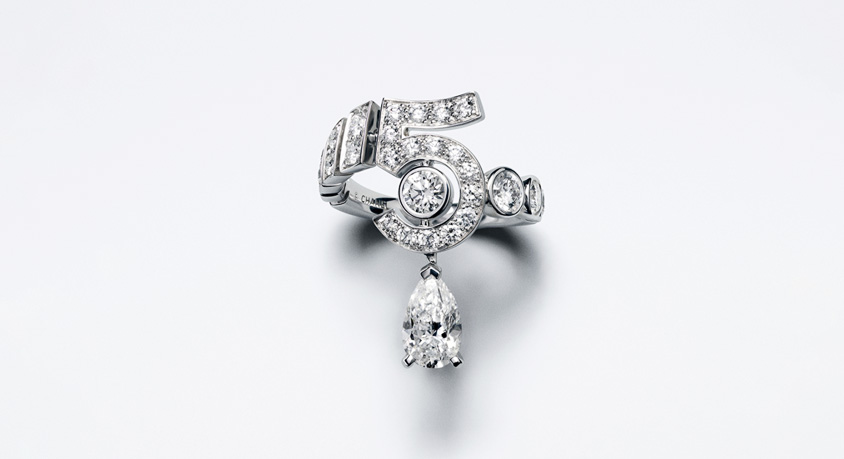
And then there’s jewelry, which is sometimes more about personality than value. Cartier Love Bracelets aren’t just a romantic cliché—they’re iconic for a reason. Pop one on, and suddenly your casual coffee meet-up feels like a red carpet moment. You notice rich friends often mix high-hype items with more subtle pieces—a diamond solitaire here, a delicate Bvlgari Serpenti coil there. The layering can look effortless, but it’s curated with intent. Sometimes, it’s less about the price tag and more about a visual story: heritage, taste, or just a wink at tradition.
Street style meets boardroom chic is another playground for luxury accessories. Someone’s got an Audemars Piguet Royal Oak Offshore peeking out from under a bespoke blazer cuff, while their fingers casually sport a mix of gold and rose gold rings. It’s not ostentatious—it’s readable. A friend of mine, who has a thing for ultra-luxury watches, once joked that spotting these pieces is like reading body language: “You see the AP, you know they value craftsmanship. The Cartier, you know they appreciate heritage. And that Bvlgari Serpenti? Oh, they like drama.” There’s some truth to that, honestly.
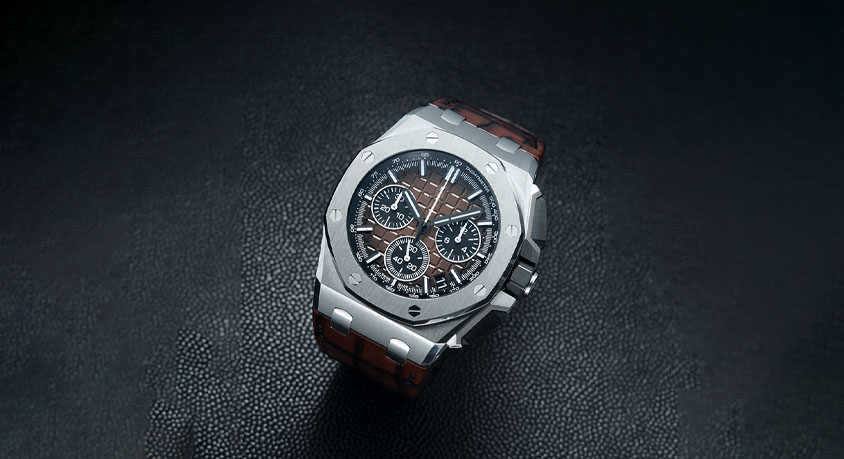
It’s easy to imagine the wealthy in overly formal settings with immaculate styling, but the reality is surprisingly approachable. On weekends, watches get swapped out for leather straps or a muted GMT, and diamond studs appear alongside cashmere hoodies. The cool paradox is that the more relaxed they are, the more intentional the choices seem. There’s this idea floating around in luxury circles that “understated is the ultimate overstatement.” You’ll see someone sipping a latte at a corner café in Paris, casually twirling a Serpenti watch, and it screams more than any flashy ad campaign ever could.
Then there’s the subtle obsession with rarity and heritage. Limited editions, vintage finds, historical pieces—these are more than conversation starters. A Patek Philippe Nautilus 5711 that sold out a decade ago still circulates in whispers of auction catalogs and private sales, fetching numbers that make newer models seem almost mundane. It’s less about hoarding and more about participating in a legacy, owning a slice of design history. The ultra-rich seem to enjoy these small nods to history almost as much as the sparkle itself.
The cultural crossover is pretty intriguing. Luxury watches and jewelry aren’t confined to formal events anymore. They live in everyday moments: brunches, gallery openings, or even grocery runs in Manhattan. There’s a sort of playful irony in seeing someone handle fresh produce with a 40mm steel AP or scroll their phone while a Cartier Love bracelet catches the morning light. It humanizes the whole notion of luxury while still keeping that aspirational edge.
And let’s talk customization for a second—because even in the world of excess, the personal touch reigns supreme. Engravings, bespoke colors, unconventional gem settings; these details transform a generic masterpiece into an unmistakable signature. It’s not unusual for a collector to mix high-hype staples with rare, one-of-a-kind creations from independent jewelers. The goal isn’t to outshine anyone—it’s to own a narrative only they could tell.
The next time you’re eyeing a Nautilus or a Serpenti in a store window, remember—it’s not just about opulence. It’s strategy, subtle storytelling, and a dash of daily-life practicality that makes these choices resonate with the ultra-rich. There’s a rhythm to it, almost like a secret code whispered through gold links and polished dials. Luxury isn’t always loud; sometimes it’s just very, very readable.
The takeaway isn’t to imitate—it’s to appreciate the thought behind the shine. Watches and jewelry aren’t mere adornments; they’re tiny artifacts of lifestyle, taste, and history, carried casually on a wrist or draped around a neck, quietly narrating a story of aspiration, precision, and yes, a little bit of fun. And maybe, just maybe, that’s what makes the luxe life look so effortless.