You believe you're too smart to fall for the obvious scams, don't you? That’s precisely what they count on. Forget the broken English emails from a "Nigerian prince" or the outlandish promises of overnight riches; the real predators in our digital age don’t operate with such amateur theatrics.
I've seen countless folks, sharp individuals even, get caught in the web of what looks perfectly legitimate. One minute you're managing bills, checking investments, or tracking a package online, and the next, a notification or email, polished to perfection, asks for a "quick verification" or an "urgent update." You click, you enter, and then comes that gut-wrenching moment of realization: your digital trust, painstakingly built over years with familiar services, just became the very hand that opened the door to your financial ruin.
The Trojan Horse in Your Inbox: Unmasking Sophisticated Phishing Scams
The game has changed; these aren't your grandpa's con artists. Today's most dangerous financial frauds don't rely on outlandish promises or glaring red flags; they are master illusionists, exploiting the everyday trust you implicitly place in familiar digital services and the intoxicating convenience you’ve come to expect. It's not about what you don't know, it's about what you think you know.
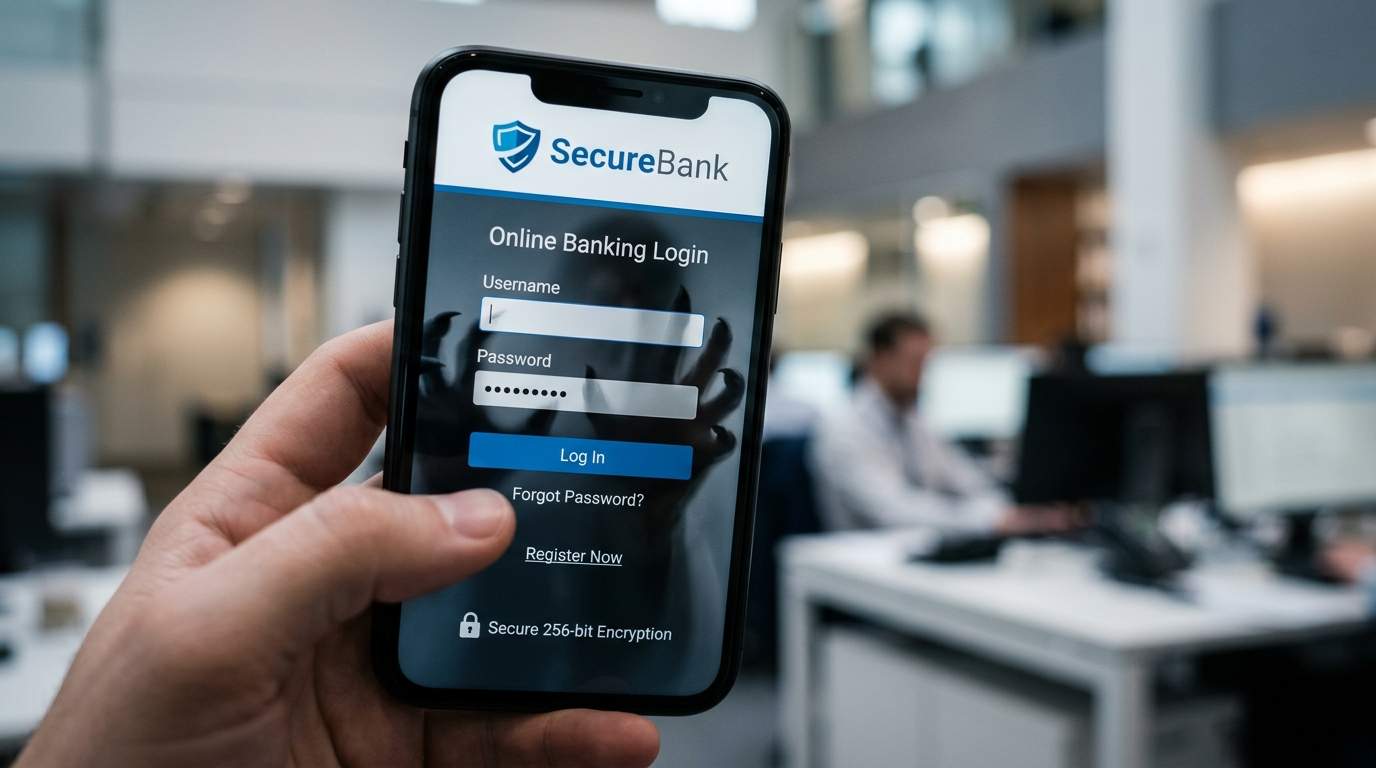
Let me strip away the tech talk for a moment. Imagine a sophisticated thief who doesn't pick your lock but rather hands you a perfectly forged key to your own front door, telling you it's an "updated version." You use it, thinking you're being responsible, only to find your house ransacked later. That, my friends, is modern phishing. They’ve perfected cloning bank websites, imitating delivery service alerts, even mimicking your HR department's internal memos. Their goal isn't just your password; it's your entire digital identity.
The Urgency Trap: Why Speed Kills Your Security
These scams thrive on manufactured urgency, creating a powerful cognitive gap that bypasses your critical thinking. They know that a message demanding immediate action—"Your account will be suspended!", "Your package is stuck!", "Unauthorized transaction detected, click here to cancel!"—triggers an instant, almost primal fear of loss. Our brains are wired to react quickly to perceived threats, which means we often click before we truly think. This psychological pressure cooker is designed to short-circuit your skepticism and push you into making mistakes.
Authority and Familiarity: Your Brain's Blind Spots
They don't just create urgency; they also leverage authority and familiarity. Your bank, a government agency, a beloved online retailer – these are entities you trust. When a message appears to come from them, your brain is predisposed to accept its legitimacy. Scammers exploit this by meticulously recreating logos, email formats, and even sender addresses that appear genuine. They're banking on your subconscious association with trust, making it almost impossible for your conscious mind to flag the subtle inconsistencies. It’s like a well-dressed stranger claiming to be a friend of a friend; you're more likely to let them in.
Your Digital Fingerprint: Protecting Against Identity Theft in the Cloud
Every interaction you have online leaves a digital trace, a fingerprint that identity thieves are constantly trying to lift. You might think your personal data is locked down, but the truth is, pieces of it are scattered across countless databases, some secure, some less so. When you fill out an online form, sign up for a new service, or even just browse certain sites, you’re often unwittingly contributing to a mosaic that can be pieced together by malicious actors.
The real danger isn't just about what you manually input; it's about the data they harvest from breaches you never even knew about. Your full name, date of birth, previous addresses, and even pet names can be bought and sold on the dark web for pennies. This information then becomes the foundation for highly personalized attacks, making their phishing attempts incredibly convincing because they already know so much about you.
The Invisible Data Trail: What Scammers Already Know
Think about it: have you ever reused passwords, even slightly? Do you know if your email address has appeared in a data breach? These aren't just theoretical risks; they are the everyday tools of the trade for digital criminals. They don't need to guess everything; often, they just need one small piece of verifiable information to leverage into a larger compromise. This is why multi-factor authentication (MFA) isn't just a suggestion; it's an absolute necessity. Your digital life needs more than a single lock; it needs a bouncer, a doorman, and a reinforced vault.
The Real Cost of Convenience: How Online Banking Fraud Thrives
We live in an age where instant gratification is king, and banks have responded by making online banking astonishingly convenient. A few taps on your phone, and money moves, bills get paid, investments are managed. This seamless experience is brilliant, until it isn't. The very frictionlessness that makes online banking so appealing also makes it incredibly vulnerable when trust is misplaced.
I've seen people lose entire life savings, not because their bank was incompetent, but because they clicked a link in a fake SMS message, logging into a duplicate banking site that promptly siphoned off their funds. The convenience of a direct link, the urgency of an "alert," the trust in a familiar logo – these aren't just marketing tools; they are psychological levers that, when pulled by the wrong hands, can drain your accounts in moments.
Building Your Digital Fortress: Actionable Cybersecurity for Wealth Protection
So, how do you navigate this minefield? First, and most importantly, cultivate a deep, abiding skepticism. Assume every unsolicited communication, especially those demanding immediate action or personal information, is a potential threat. Don't click links in emails or texts. Period. If you receive a suspicious alert from your bank or any service, independently navigate to their official website or call their official customer service number (from their official website, not one given in the suspicious message).
Second, strengthen your digital hygiene. Use unique, strong passwords for every account. Invest in a secure password manager – it’s a game-changer. Enable multi-factor authentication (MFA) everywhere it's offered, especially for financial accounts and email. Think of MFA as having a second, separate key to your digital vault. Even if a scammer gets your password, they're stopped dead without that second factor.
Third, become a vigilant monitor of your financial accounts and credit reports. Check your bank and credit card statements frequently for unusual activity, not just monthly, but weekly. Consider a credit monitoring service. These small habits create an early warning system that can often catch fraudulent activity before it spirals out of control. Your wealth isn't just about what you earn; it's about what you keep from those who would take it. In this turbulent financial landscape, the invisible hand of the market often comes with an equally invisible, and far more sinister, digital hand trying to pick your pocket.