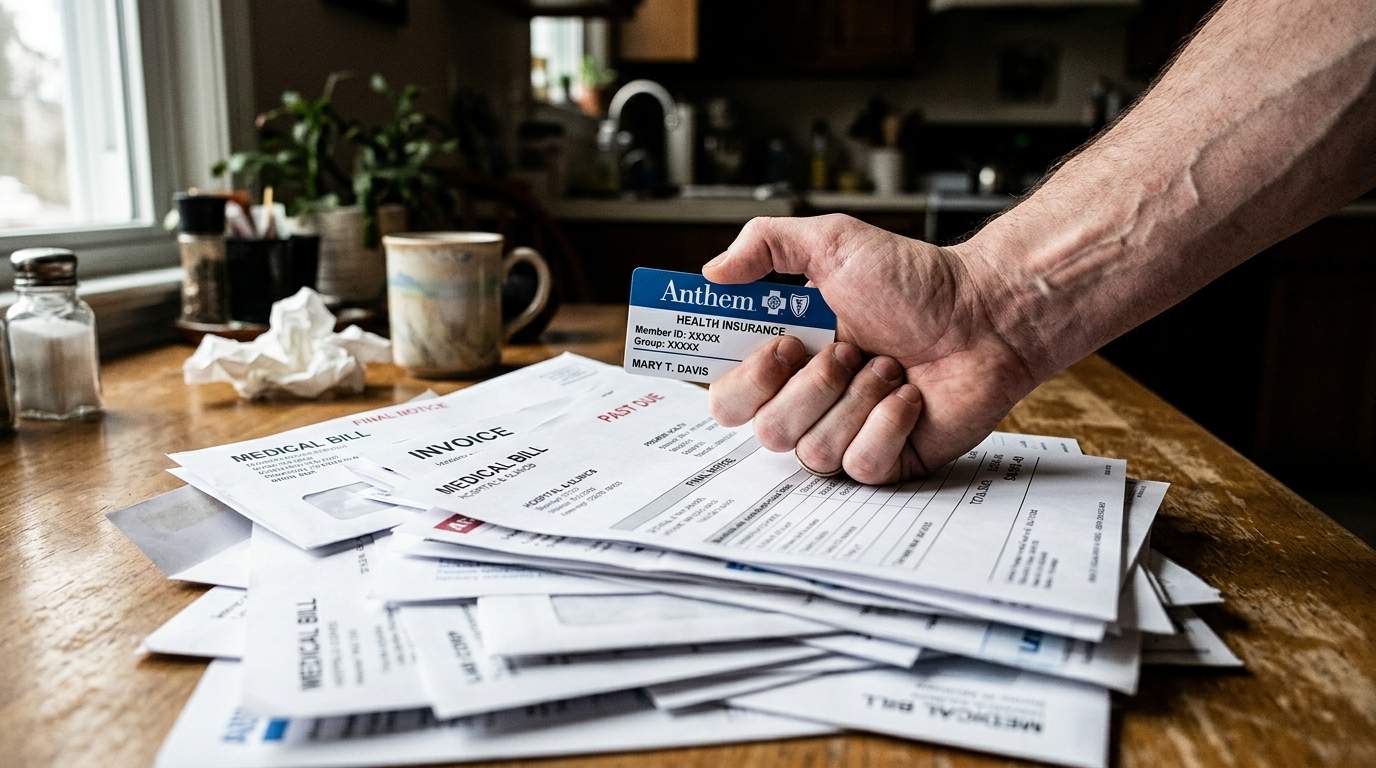
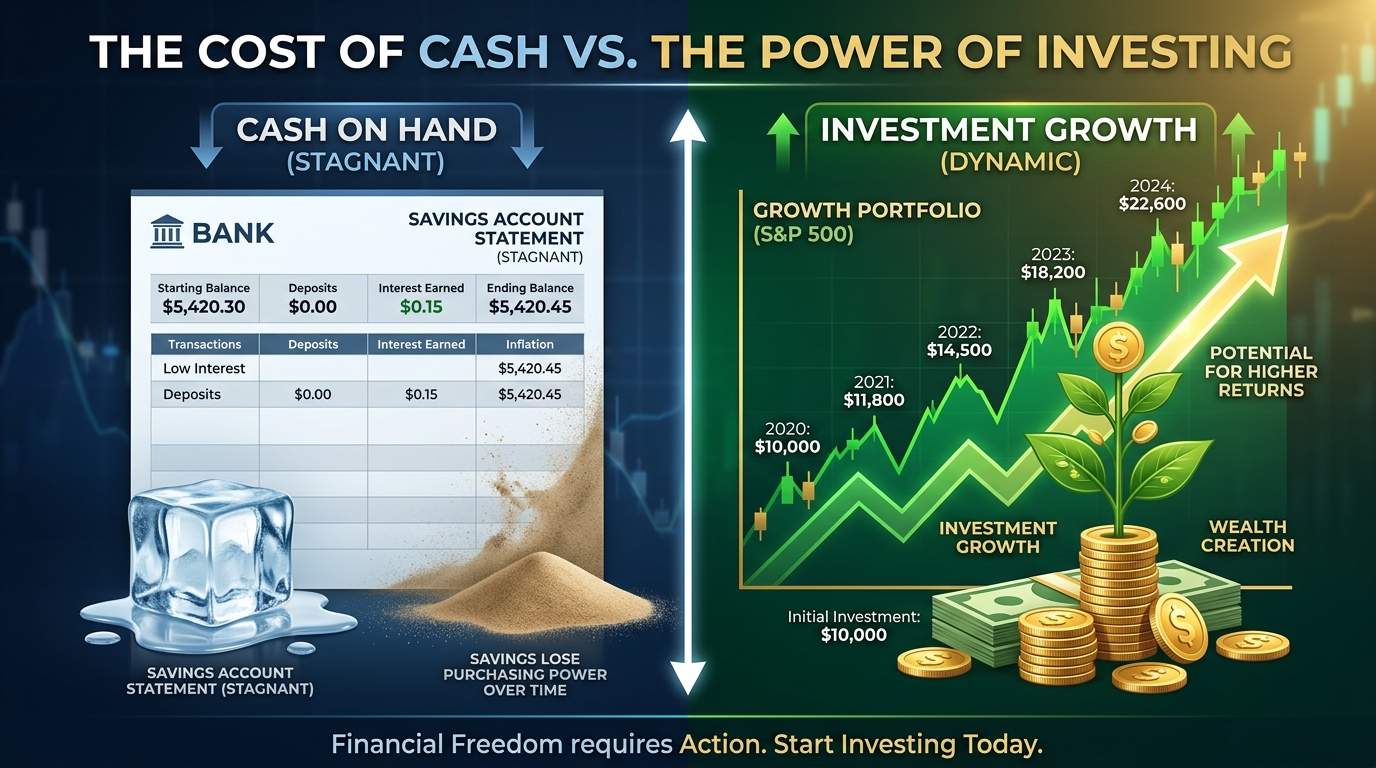
I watched my roommate do this for seven years. Every month, a $3,000 balance on his Visa. Every month, he paid the minimum: $75. “I’m paying it down,” he said. After seven years, he’d sent over $6,000 to the bank. His balance? $2,900. He had paid $6,000 to reduce his debt by $100. That’s not math. That’s a magic trick where the magician steals your wallet.
The credit card industry built an entire profit machine on this illusion. They call it “revolving credit.” I call it a legalized annuity paid by the financially trapped.
Here’s what the fine print never screams: at 22% interest, a $5,000 balance paid with minimums takes 27 years to clear. You will pay $12,000 in interest alone. That’s not a loan. That’s a second mortgage on your future self.
The Minimum Payment Formula: Designed to Keep You Locked In
Banks calculate your minimum as 1% to 2% of the balance plus interest. On a $5,000 balance at 22% APR, interest alone is about $92 a month. Your minimum might be $150. That means only $58 goes to principal. Every month. For years.
Real example from a client: A nurse in Chicago had $8,000 on a store card at 26%. Minimum payment: $210 monthly. After one year of on-time minimums, she had paid $2,520. Her balance? $7,400. She had reduced her debt by $600 while paying $2,520. She came to me crying. She thought she was being responsible.
The Math They Don’t Put on Your Statement
Flip your statement over. Buried in the fine print, there’s a small box called “Repayment Information.” It says: “If you make only the minimum payment each month, you will pay off the balance in 27 years and 3 months.” They are required by law to print this. Most people never read it. The banks are counting on that.

The Compound Interest Trap: It Works Against You Too
Everyone loves compound interest when it grows their stocks. Nobody talks about compound interest when it grows their debt. Credit card interest compounds daily. That means every morning, the bank adds a tiny slice of new interest on top of yesterday’s interest.
I learned this the hard way in my twenties. A $2,000 emergency vet bill went on a card. I paid $100 monthly. After 14 months, I checked my balance. It was $1,950. I had paid $1,400 and made almost no progress. I felt sick. Then I got angry. Then I learned about avalanche method.
The Two-Statement Test
Take your last two credit card statements. Compare the “total interest paid year-to-date” line. If that number is larger than what you spent on groceries last month, you are in the trap. No judgment. Just math.
The Balance Transfer Escape Hatch (Use It Before It Vanishes)
There is one legal way out that doesn’t require a miracle. Balance transfer cards offering 0% APR for 12-21 months. Transfer your high-interest balance, pay a one-time fee (typically 3-5%), then attack the principal without interest accruing.
Actionable step: Calculate your current monthly interest. On $8,000 at 22%, that’s about $147 a month. A 3% transfer fee on $8,000 is $240. If you pay off the balance within 12 months at 0%, that $240 fee saves you over $1,700 in interest. That’s a 600% return on that fee.
The Pitfall Nobody Mentions
After you transfer, do not use the old card. Do not use the new card for purchases. One coffee purchase on a 0% card often triggers deferred interest on the entire balance. Read the terms. They are designed to catch you slipping.
The Avalanche Method: How I Killed $14,000 in Nine Months
Forget the “snowball method” (pay smallest debt first). That’s emotional crutch for people who hate math. The avalanche method pays the highest interest debt first. It saves you the most money. Period.
List every card by APR, highest to top. Pay minimums on everything except the top one. Throw every extra dollar at that top card. When it dies, move to the next one.
I did this with $14,000 spread across three cards. I delivered pizzas on weekends. I sold a guitar I never played. Nine months later, I was free. The interest I avoided? Over $3,000. That’s a vacation. That’s a new emergency fund.
The One-Week Challenge
For the next seven days, treat every non-essential purchase as if it were borrowed at 24% interest. That $6 latte? Actually $7.50 after a year of minimum payments. That $50 dinner out? $62. That new $1,200 iPhone? Almost $1,500. The pain of paying cash is instant. The pain of credit is deferred and multiplied.
The Real Emergency Fund: Why You Keep Getting Sucked Back In
The reason most people can’t escape credit card debt isn’t lattes. It’s that they have no cash buffer. One car repair, one medical bill, one root canal, and the balance shoots back up.
I learned this after my first debt payoff. I had zero savings. Then my brakes failed. $900 went back on a card. I felt like I’d run a marathon only to be carried back to the start line.
The fix: While paying down debt, keep a $1,000 mini-emergency fund. It slows your payoff by a month or two. But it stops the re-borrowing cycle. After the debt is gone, grow that to three months of expenses. Then six. Then you are untouchable.
Here’s my question for you: if a stranger offered you a $10,000 loan at 24% interest with daily compounding and a 27-year repayment schedule, would you high-five them or run away? Now look at your credit card statement. Same stranger. Same offer. Why are you still paying them every month?