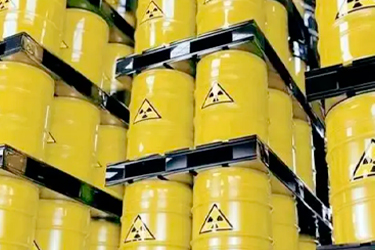
The price of uranium, the nuclear fuel, has recently hit its highest level since 2007, catching investors' attention. Analysts note that this rally has been years in the making and that the market is becoming more nervous. However, there is still some uncertainty as to whether uranium's rally will continue and gain momentum. This article discusses the market tensions for nuclear fuel uranium and its future rally drivers.

The price of uranium, the nuclear fuel, has recently hit an all-time high, surpassing its highest level since 2007. This has worried investors, and analysts believe that the upward trend has been in place for years, and that the market is about to get even more nervous. However, there are some doubts as to whether uranium's future rally still has momentum.
Utilities have been stockpiling uranium because there is an oversupply of uranium material on the market. However, as prices have risen, things have changed. Power companies began to increase their uranium purchases as they realised that the uranium mining industry was not ready to meet the new wave of demand in the market. This has led to a tight supply/demand relationship in the market, driving up uranium prices.
Although uranium prices have reached historic highs, they are still well below their peak prices. Analysts have pointed out that although it is impossible to predict the exact timing, it is possible that uranium prices will exceed previous records at some point in the current bull market. However, there is still some uncertainty about the future dynamics of uranium prices. Factors such as market factors, government policies and the pace of nuclear energy development can all have an impact on uranium prices.
With the development of nuclear energy and the increasing demand for clean energy, the demand for uranium as a nuclear fuel is expected to grow. As a result, the uranium market may face more opportunities and challenges. Investors and industry players should pay attention to market trends and formulate appropriate investment strategies and supply chain management strategies to adapt to changes in the uranium market. The government should also strengthen supervision and policy guidance to ensure the stability and sustainable development of nuclear fuel supply.
The price of uranium, the nuclear fuel, has reached an all-time high since 2007, and market tensions and profits have attracted widespread attention. While uranium prices may exceed historical records, there is still some uncertainty about their future gains. Investors and industry players need to pay close attention to market dynamics and formulate appropriate response strategies. The government should also strengthen supervision and policy guidance to ensure the stability and sustainable development of nuclear fuel supply. As the demand for nuclear energy grows, the uranium market is expected to face more opportunities and challenges.